
My roadmap for finding peace after the sirens stop
My roadmap for finding peace after the sirens stop
The silent crash after the sirens fade
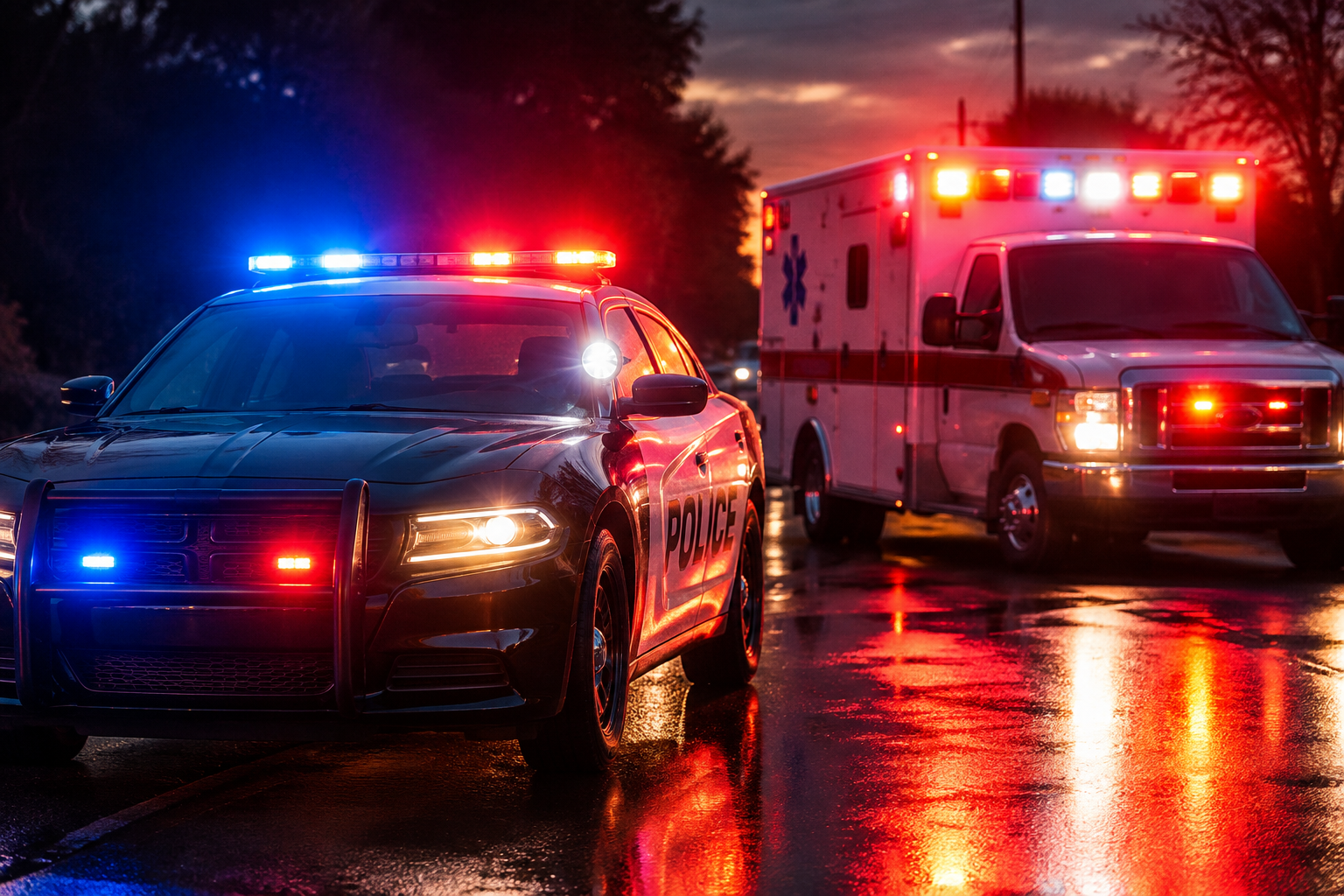
I believe that real stress prevention and resilience among first responders starts in the quiet moments when the sirens finally stop. You spent your whole shift running on pure adrenaline, keeping everybody else safe, and then you pull into your driveway and the silence hits you like a wall. Your heart is still beating fast, your hands are shaking, and you realize you have no idea how to turn it off. I lived in that place of constant hypervigilance for decades because my nervous system got locked into survival mode a long time ago.
It happened on Halloween night in 1985 when my father, an LAPD detective, was ambushed and murdered in the line of duty. That night shattered my world when I witnessed his body and aftermath. For many years, I carried that heavy weight while working as a hairdresser, listening to others talk about their struggles while I silently suffered with my own buried pain. But burying the pain never works. Whether you in Law Enforcement or a First Responder, you are taught to just keep moving, to ignore the first responder stress, and to pretend you are fine when you are actually falling apart inside.
And that is why we need to talk about real stress prevention and resilience among first responders. True peace does not come from just getting through another shift. It only comes when we are willing to look at the root trauma and heal our nervous systems from the inside out.
Why the system fails first responder mental health
So many times, I see the system failing first responder mental health by telling our brave men and women to just put their trauma away and pretend it does not exist. They train people to go out and face the worst days of humanity, but then we tell them to leave it at the door when they go home to their families. But you cannot just turn off your humanity like a light switch. And when you try to box up that first responder stress, it does not just disappear, it grows in the dark until it turns into burnout in first responders that destroys marriages and tears families apart.
I am not a doctor, and I do not have a bunch of fancy credentials behind my name, but I have my lived experience. I know that all the clinical textbooks in the world cannot teach you what it actually feels like to live with a nervous system that is constantly screaming that you are in danger.
The current approach to stress management in law enforcement is broken because it focuses on managing symptoms instead of healing the root cause. We need first responder mental health awareness that actually honors the reality of what our people go through every single day. We need to stop shaming people for being human. And we must understand that lived experience is the most powerful tool we have for building resiliency and hope, because when you talk to someone who has actually been through the fire, you finally feel seen and understood.
Stress prevention and resilience among first responders: my roadmap
I want you to know that choosing to heal is a sign of immense strength, not weakness. For so long, I thought that admitting my pain meant I was broken, but I realized that true resiliency and hope come from facing the darkness and choosing to heal. And we have to stop just managing the symptoms of our pain with unhealthy coping mechanisms and start actually processing the trauma that is trapped in our bodies.
To achieve stress prevention and resilience among first responders, you must actively regulate your nervous system and process stored trauma rather than burying it. This requires daily somatic grounding exercises, seeking support from peers with lived experience, and participating in specialized first responder mental health training that addresses the root causes of occupational stress.
When my father was killed, my body went into a state of chronic freeze, and I stayed there for many years because nobody taught me how to feel safe again. But I found my way out through hard work and somatic healing, and I know that you can do it too. We need to implement real law enforcement mental health and wellness programs that teach us how to release this energy from our bodies so we can go home to our loved ones as whole people. We must make sure that our first responder mental health resources are accessible and that they focus on the actual physical experience of trauma.
So, I want to share the practical tools that helped me find my way back to peace, because these are the things that actually saved my life when the textbooks failed me. I believe that when you have the right tools, you can begin to rewrite your story and find a path forward.
Practical tools for nervous system regulation
First, when you are looking for nervous system regulation first responders exercises, you can start with a simple grounding technique that brings your awareness back to the present moment. When you feel that wave of anxiety rising after a tough call, find a quiet spot and look around you to identify five things you can see, four things you can touch, three things you can hear, two things you can smell, and one thing you can taste. This simple sensory exercise helps tell your brain that you are safe right now and that the immediate danger has passed.
Second, you can use conscious breathing to calm your racing heart. I found that inhaling deeply for four seconds, holding that breath for four seconds, and then exhaling slowly for six seconds is incredibly powerful for resetting the vagus nerve. And if you do this for just a few minutes after your shift, you can help transition your body out of fight or flight mode and into a state of rest.
Third, you must find the right trauma-informed support. I believe that talking to peers who have walked in your shoes is one of the most effective first responder mental health resources available. You need to connect with people who understand the unique pressure of the job and who can offer genuine resiliency and hope because they have lived through the same struggles.
Fourth, you should look into first responder mental health training that focuses on somatic experiencing and body-based healing. We carry our trauma in our physical bodies, and simply talking about it is often not enough to release the deep tension that builds up over years of service.
Frequently Asked Questions
Why is maintaining holistic wellness essential for police officers?
Maintaining holistic wellness is absolutely essential because your mind and your body are deeply connected. When you only focus on physical fitness but ignore your emotional health, the unresolved stress will eventually show up as physical illness, chronic pain, or severe burnout. And you cannot protect your community or your family if you are running on empty, so you must care for your whole self.
How to deal with anxiety as a first responder?
To deal with anxiety, you have to start by regulating your nervous system in real time using somatic exercises like box breathing and physical grounding. But you also need to seek out professional support from clinicians who specialize in trauma and who understand the reality of your daily life, because you cannot do this alone.
How do first responders deal with trauma?
Historically, many first responders deal with trauma by compartmentalizing their feelings, burying their emotions, or using alcohol and other unhealthy coping mechanisms to numb the pain. But the only healthy way to deal with trauma is to actively process it through somatic therapy and peer support, transforming your lived experience into a source of resiliency and hope that helps you heal.
The hope on the other side of the badge
I want you to hear me when I say that there is hope on the other side of this pain. I lived with the crushing weight of CPTSD for many years, feeling lost and helpless, but I found my way back to the light. And if I can heal after carrying all that darkness for so long, then I know with every fiber of my being that you can heal too.
So, please do not wait until you hit rock bottom to start taking care of yourself. Your family needs you, your community needs you, but most importantly, you need you. You deserve to live a life that is filled with peace and joy, not just survival. And it all starts with one small step, one moment of choosing to prioritize your own healing and embracing the resiliency and hope that is already inside you. I believe in you, and I know that you have the strength to find your peace.
